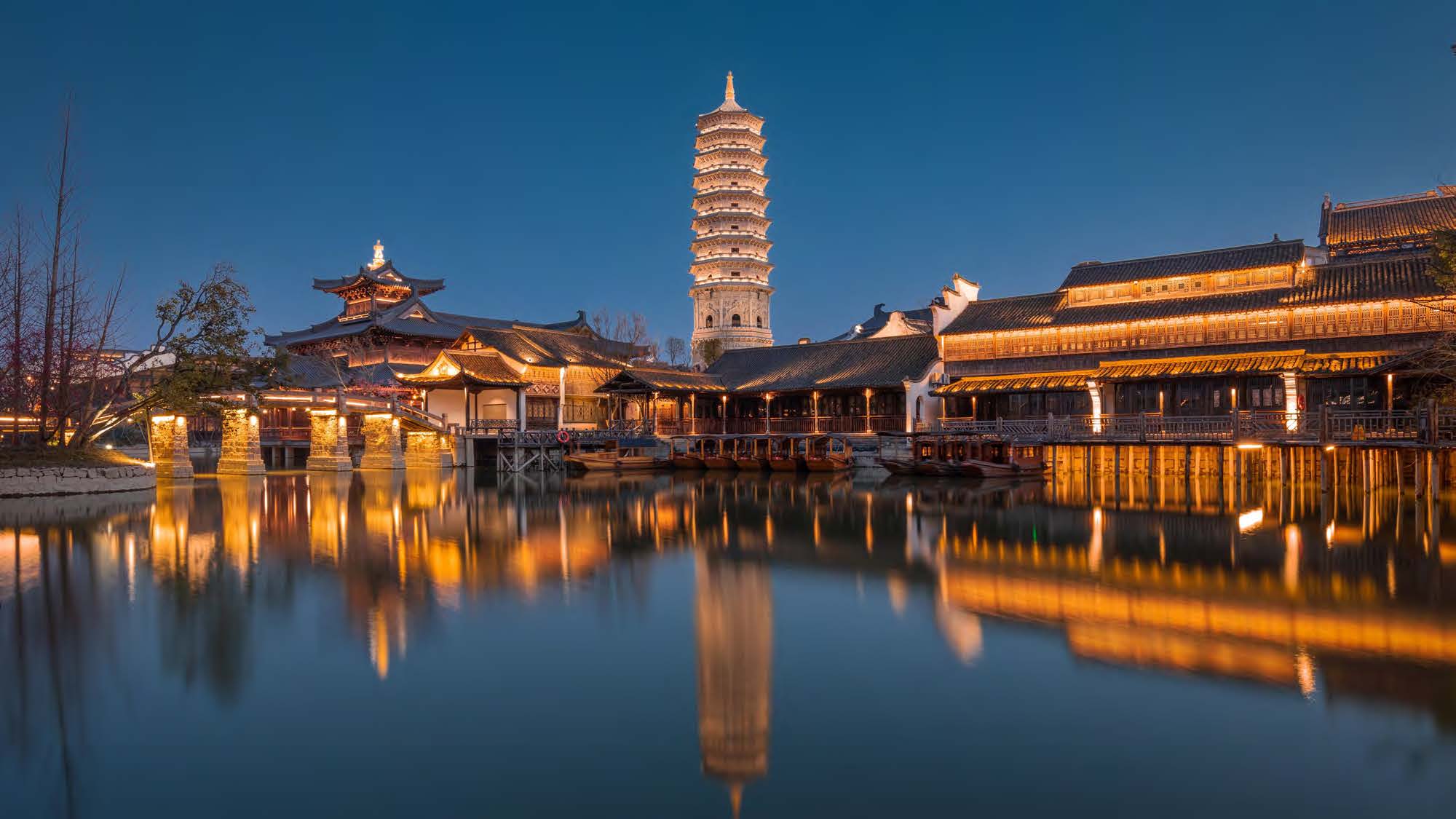

About Wuzhen
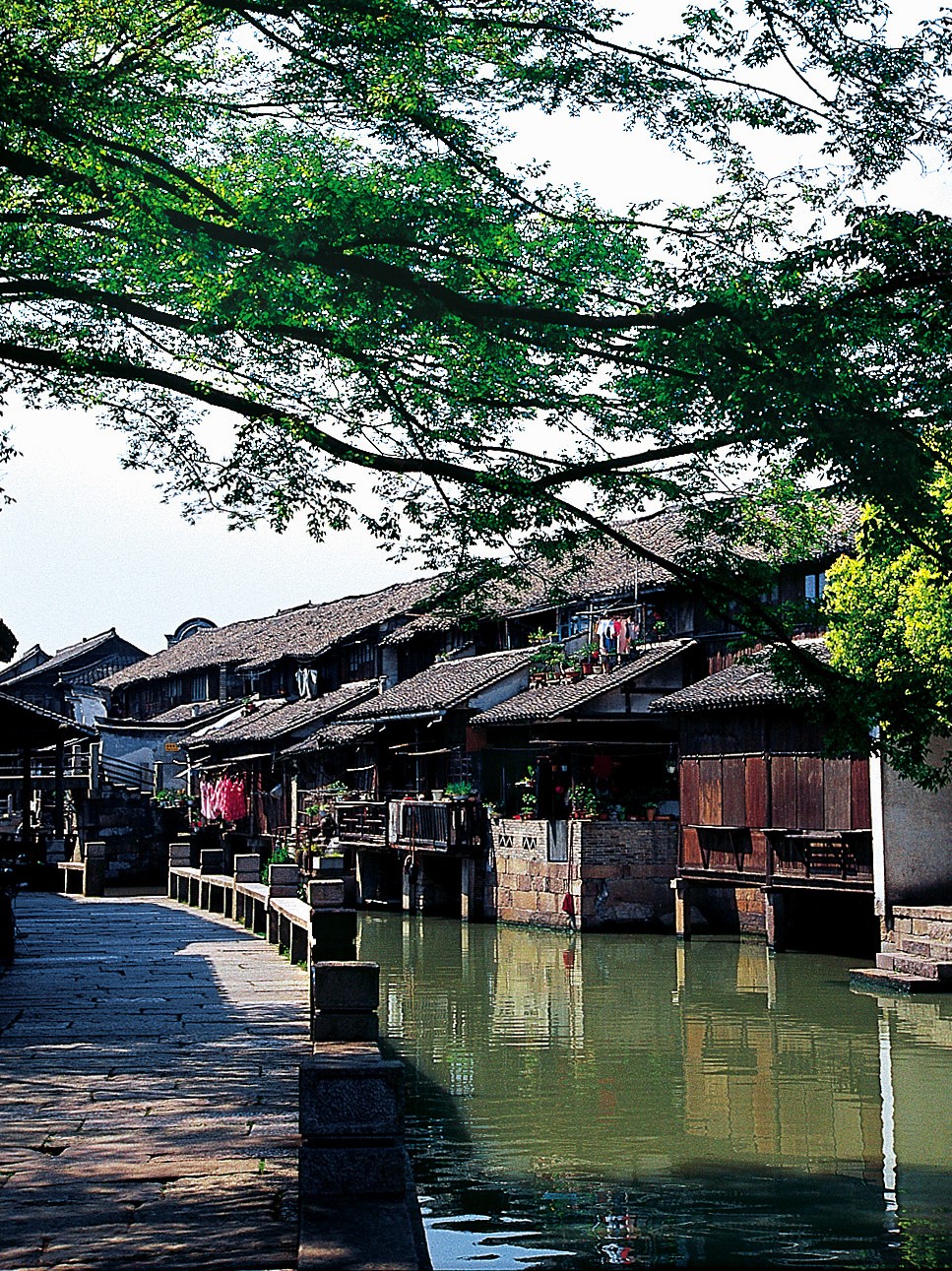
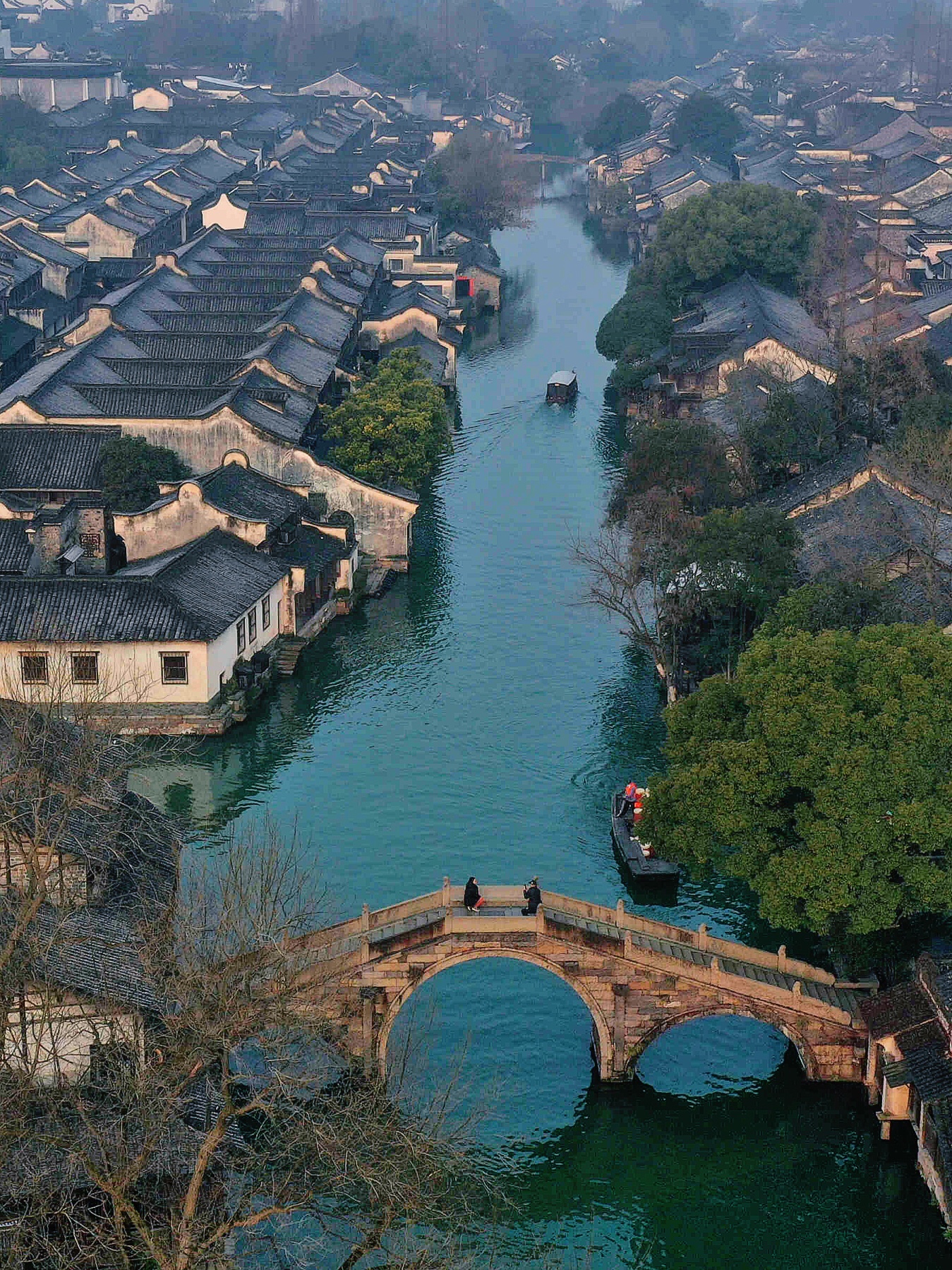
Wuzhen traces over 7,000 years of civilisation and more than 1,300 years as a town. Located along the Grand Canal, it has long served as a centre of trade and exchange, shaped by its waterways and regional connections.
Its water system, spatial layout, and architectural forms remain closely aligned, with patterns of daily life continuing within them. Waterside wooden houses, whitewashed walls, and stone bridges form the characteristic landscape of Jiangnan.
This continuity underpins its recognition at both national and international levels, including its listing on the UNESCO World Heritage Tentative List and awards for heritage conservation.
Since the late 1990s, Wuzhen has undergone a structured process of conservation and renewal. With Dongzha opening in 2001 and Xizha in 2007, the town has developed into a destination that integrates heritage, hospitality, and cultural exchange.
The approach follows the principle of restoring the old in its original form while adapting it for contemporary use. Historic buildings retain their external character, while interiors are updated to support modern living and visitor experience.
The introduction of the Wuzhen Theatre Festival and the permanent establishment of the World Internet Conference have expanded its role into a platform for cultural and international exchange. Today, Wuzhen operates across multiple scales, from everyday life along the canals to global gatherings in culture and technology.
Main attractions
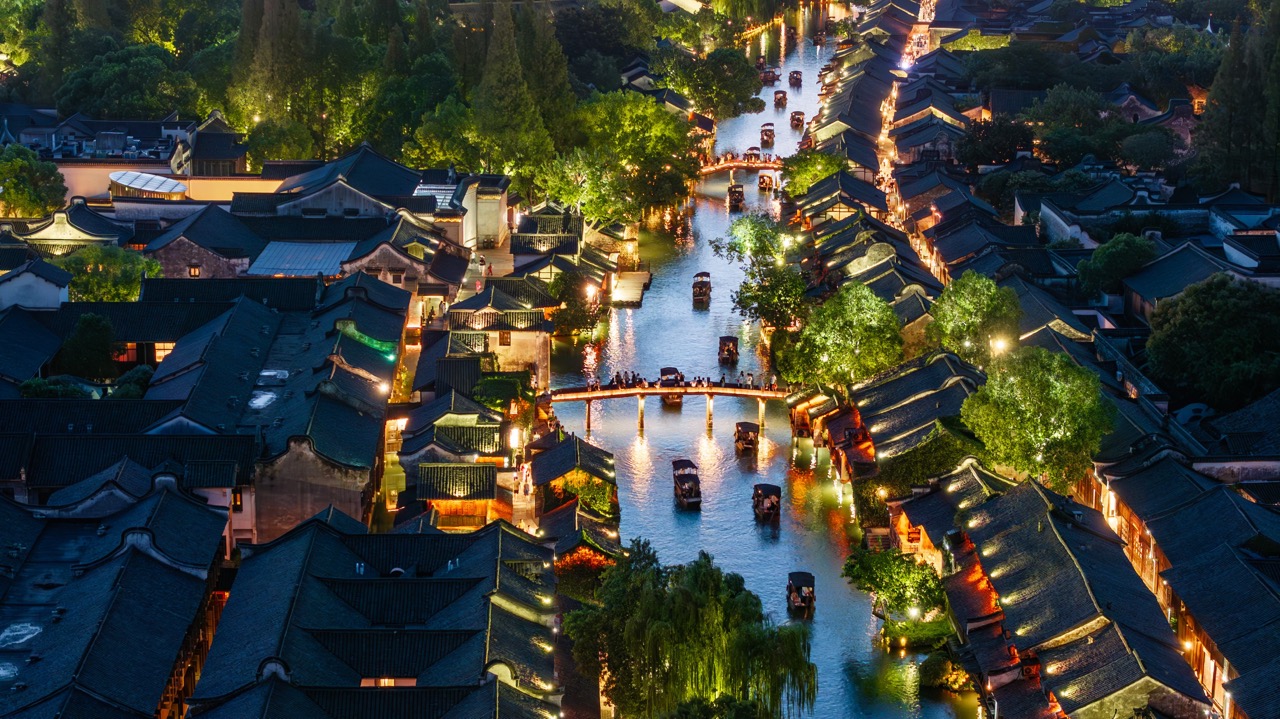
Xizha
The heart of night tours and resort stays
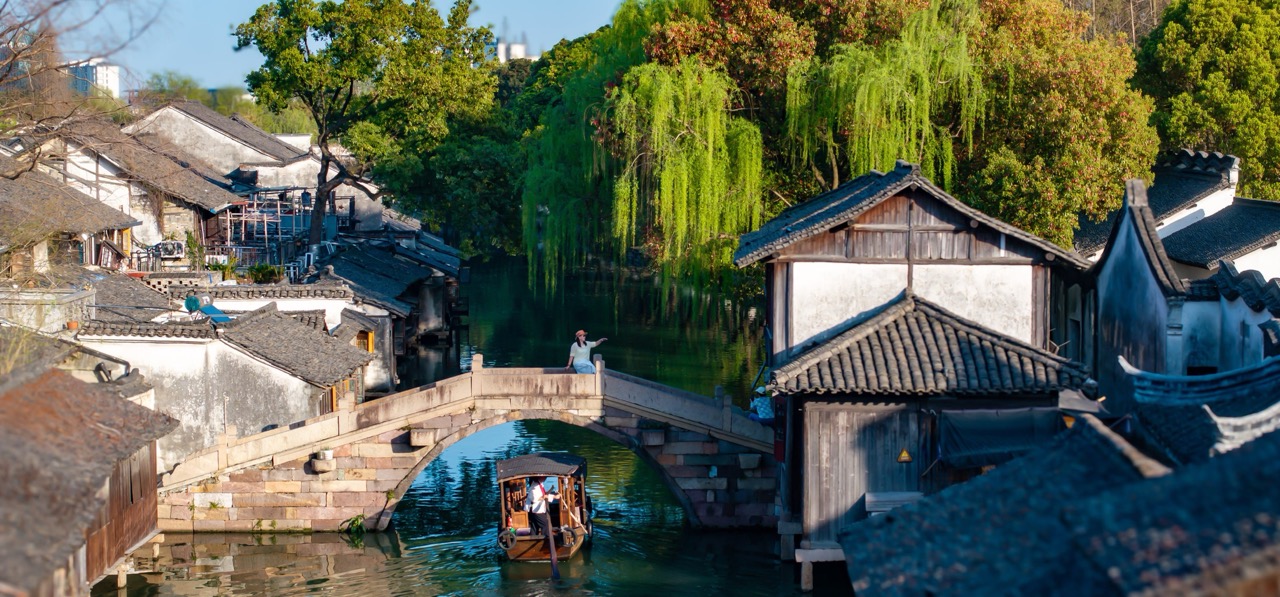
Dongzha
the original water-town atmosphere
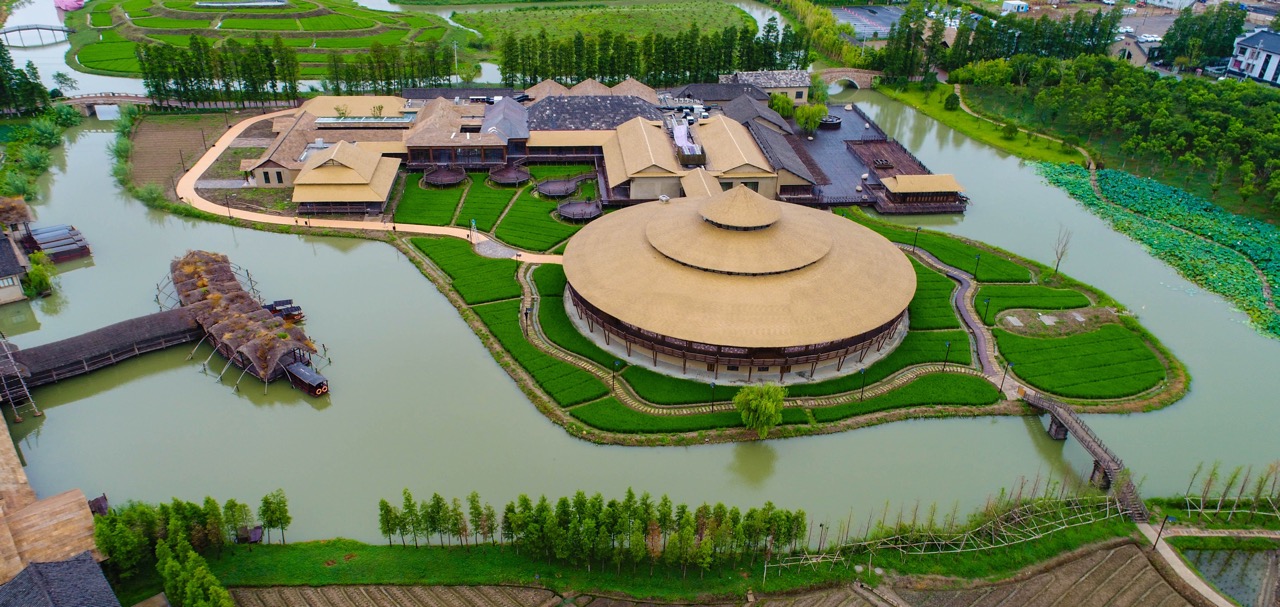
Wucun
Countryside retreat designed for families
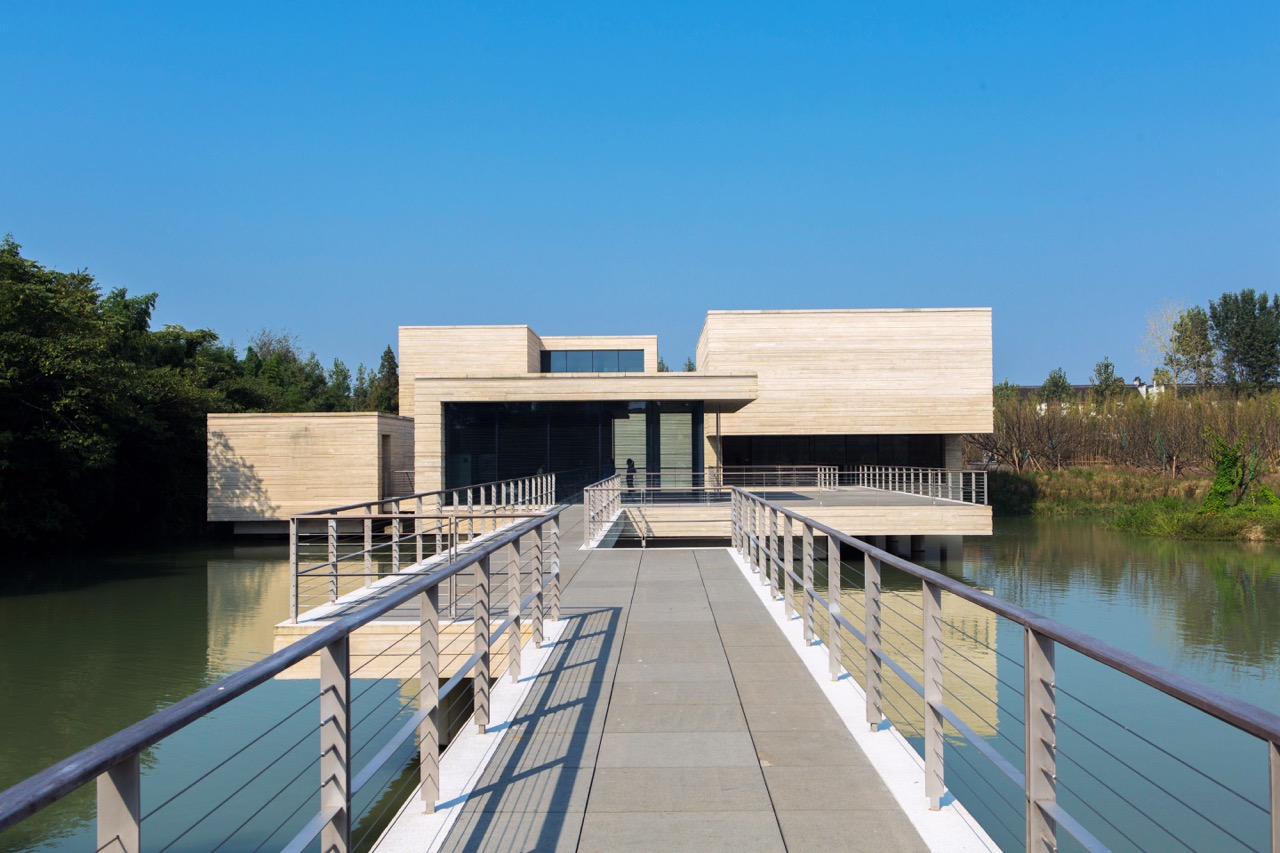
Mu Xin Art Museum
A museum linking global art, literature, and music
Wuzhen in pictures
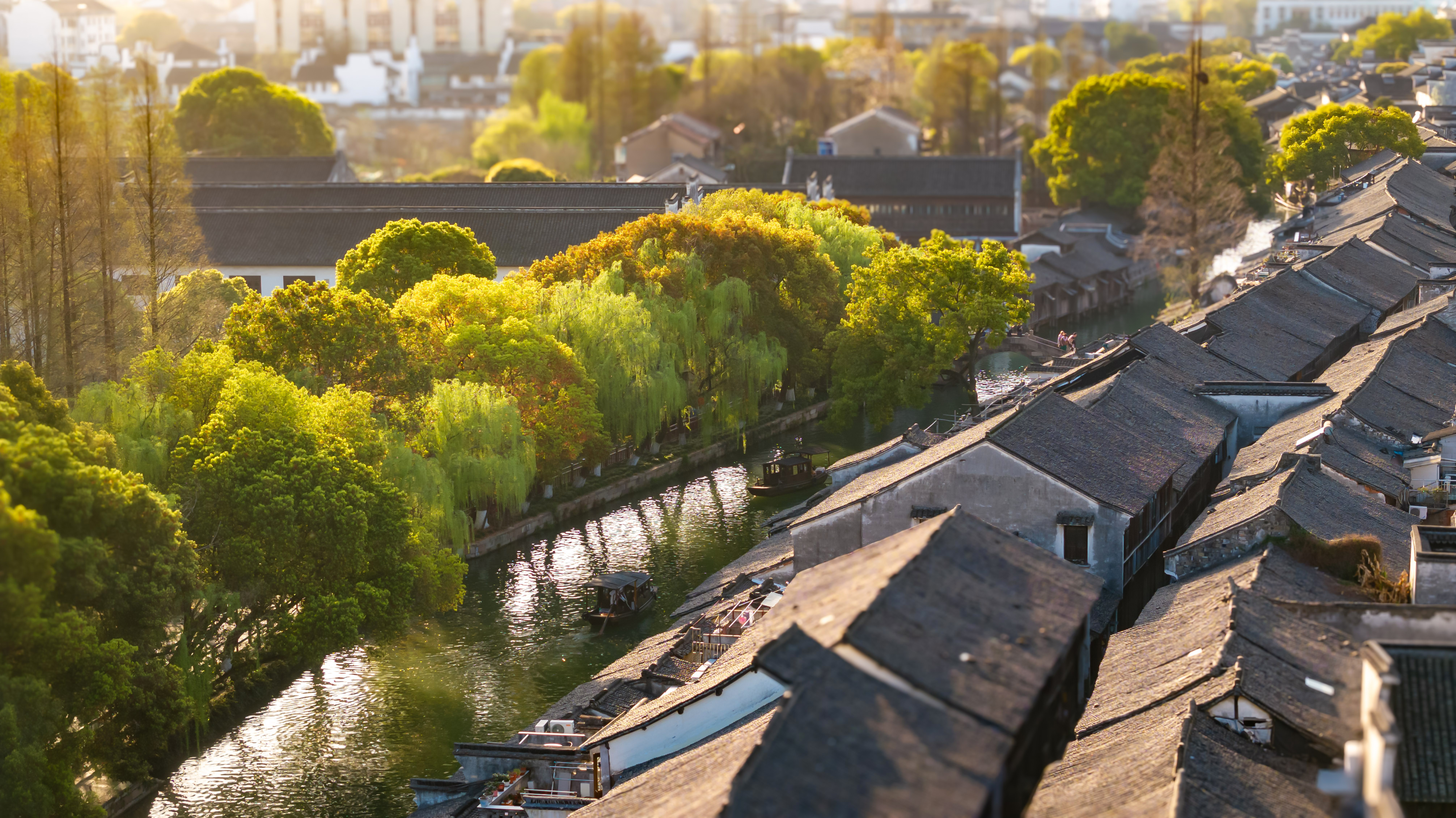
Aerial sunset view over Wuzhen ancient rooftops
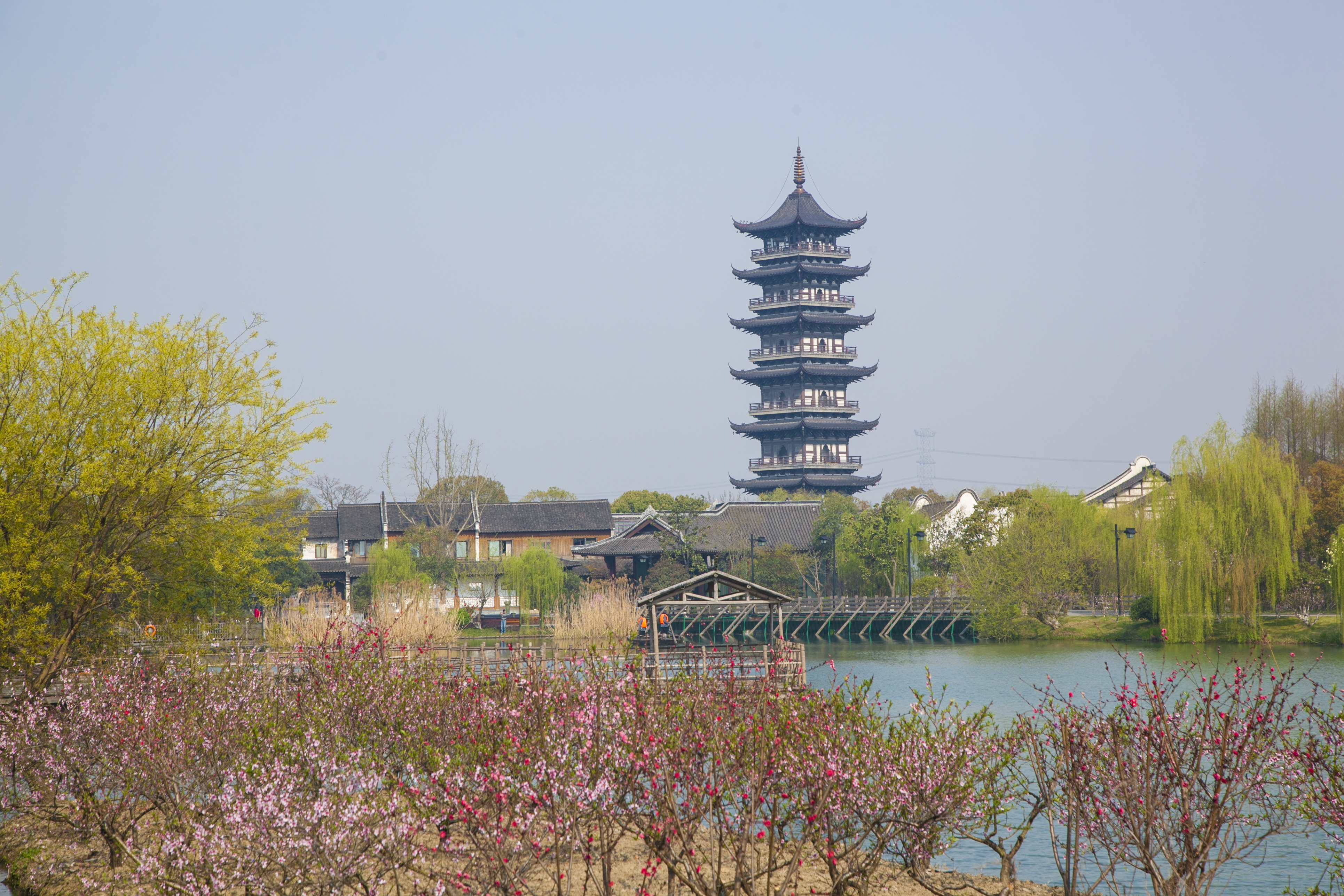
Pagoda view at Feicui Lake
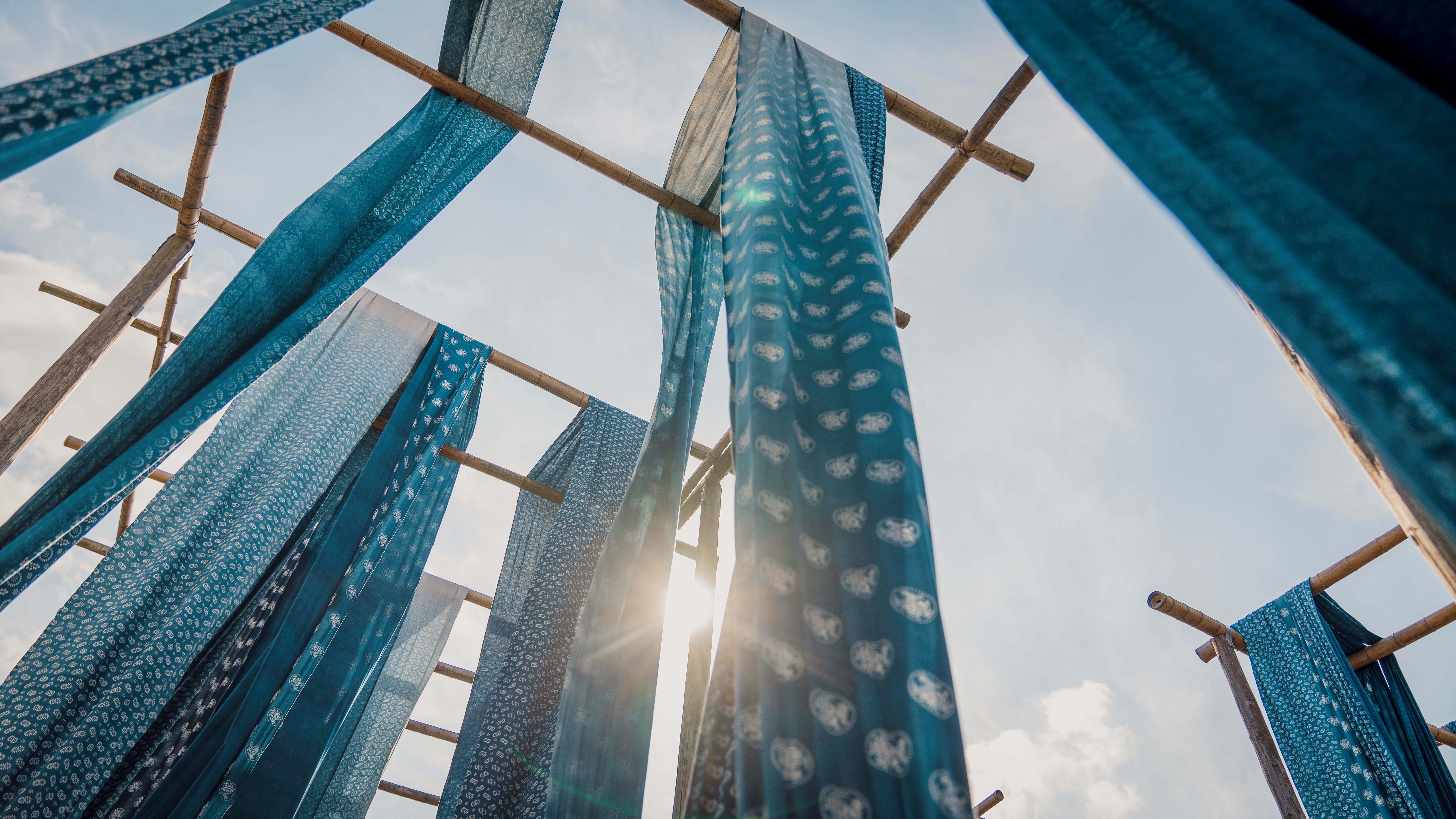
Indigo cloth drying at Caomu Bense Dyeing Workshop, Wuzhen
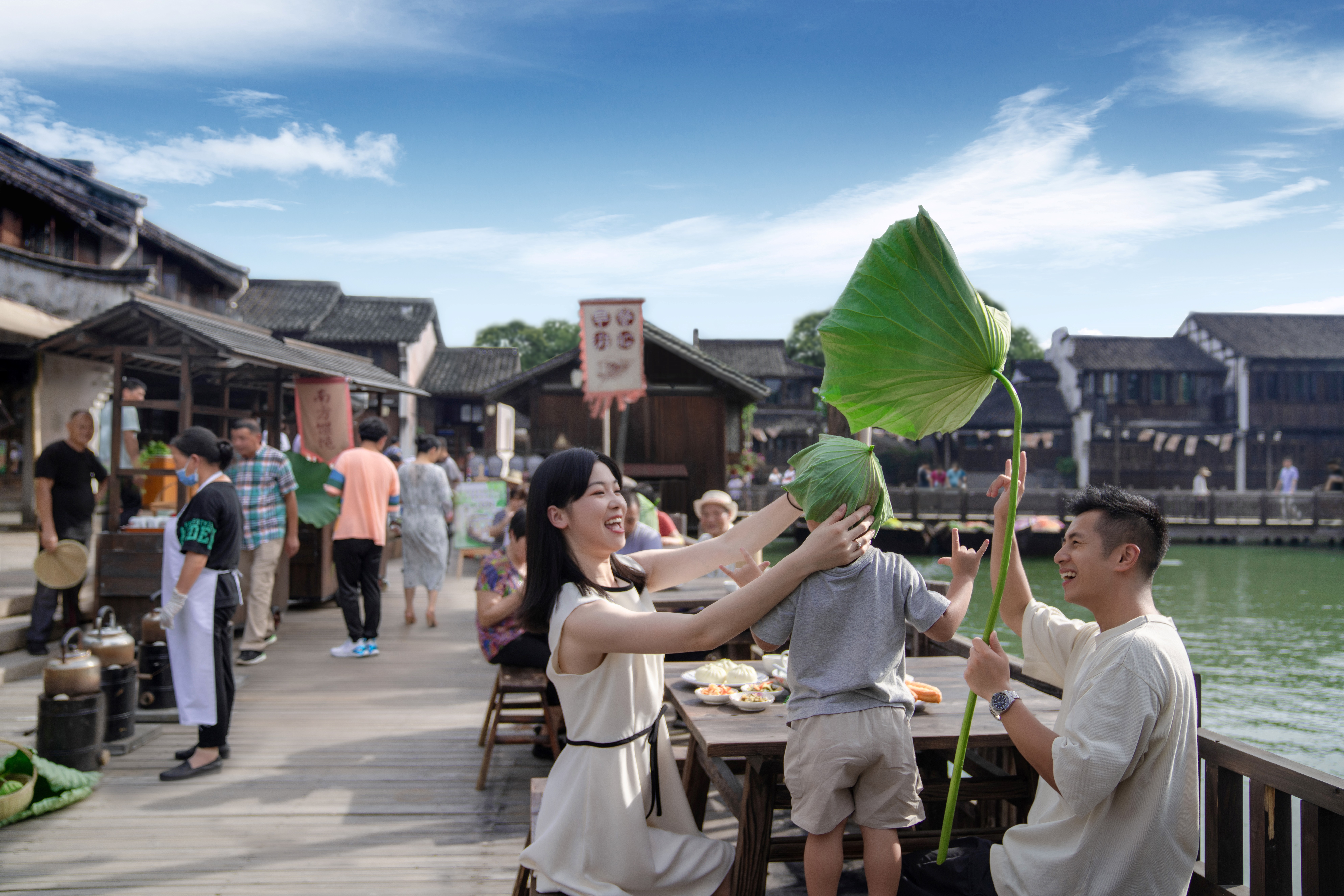
Morning Tea Guest waterfront scene in Wuzhen
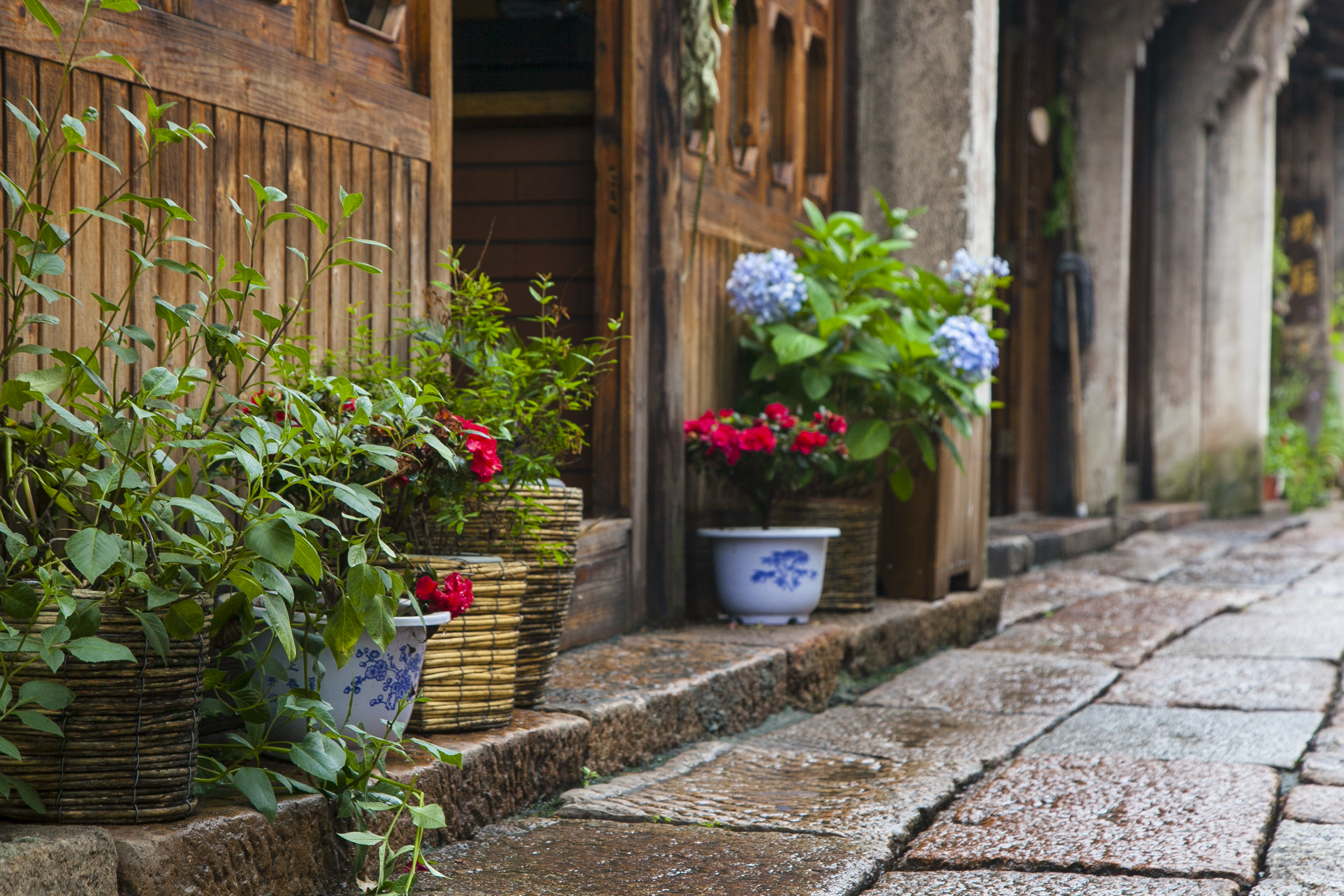
Flower lined ancient corridor
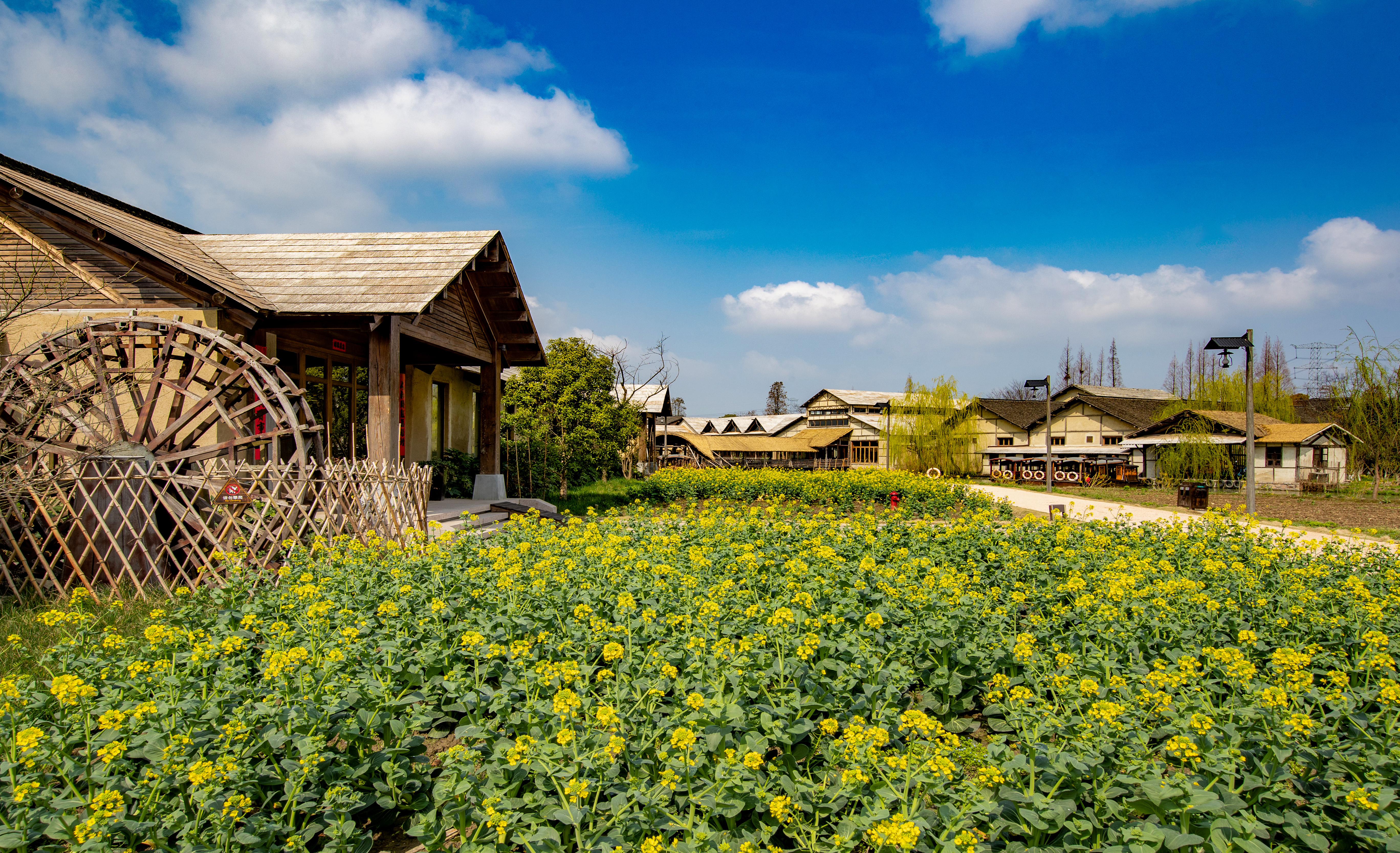
Spring pastoral view of Wucun Village
Wuzhen in numbers
Defined by time, shaped by continuity, and lived in the present.
10M+
Visitors annually
200+
Events and cultural programmes each year
72
Historic stone bridges across the Xizha
25 years
Conservation and development