
Tide Philharmonic Orchestra makes its Yanguan debut
A new orchestral voice for Yanguan
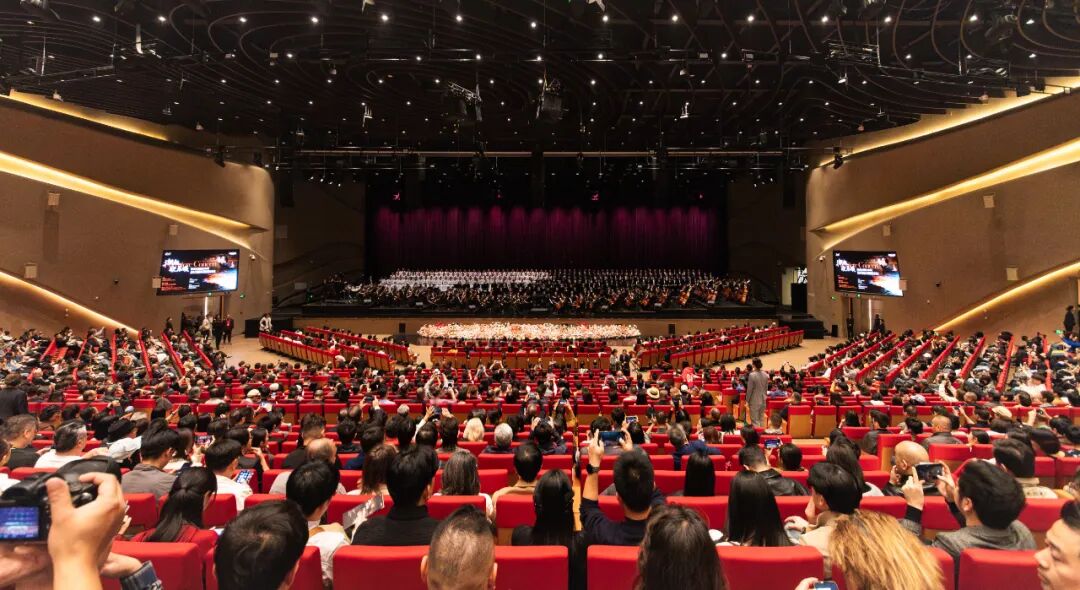
Full-house premiere concert scene
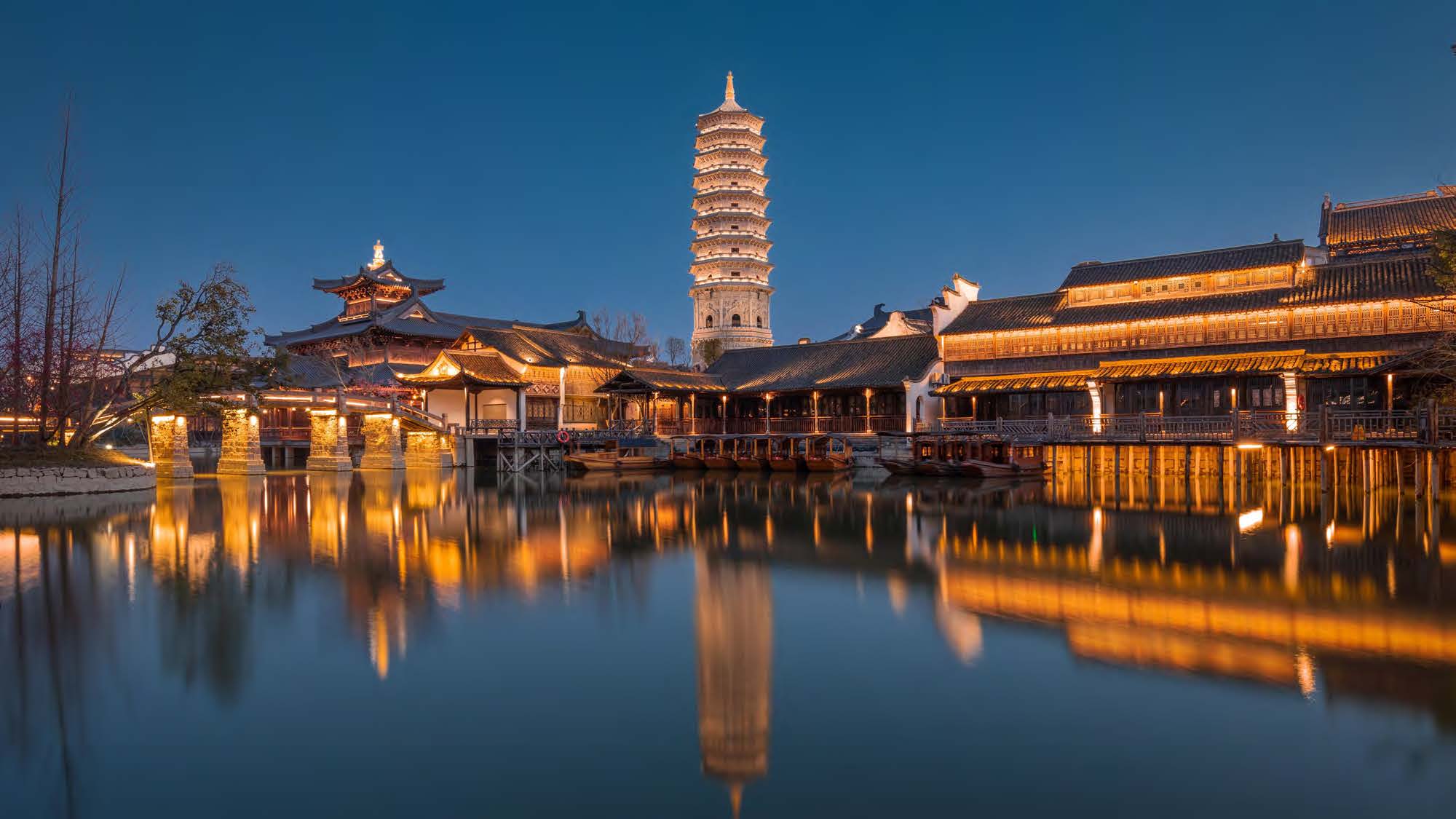
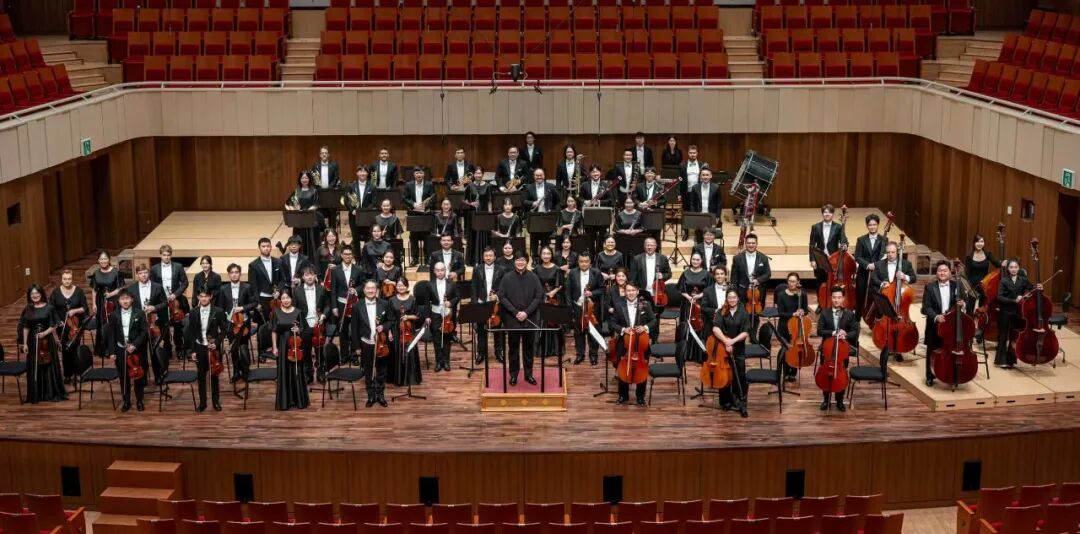
Tide Philharmonic Orchestra made its first public appearance on 16 November 2025 at the Tide City Arts Centre in Yanguan Ancient Town. The debut marked an important cultural milestone for Yanguan, linking the town’s historic tidal identity with a new professional orchestral platform.
As the lead ensemble of the evening, Tide Philharmonic Orchestra joined Zhejiang Symphony Orchestra, Ningbo Symphony Orchestra and choirs from China National Symphony Orchestra, Central Conservatory of Music and Lanzhou Concert Hall to perform Beethoven’s Ninth Symphony. With nearly 400 musicians on stage, the concert brought large-scale symphonic music into the setting of Yanguan Ancient Town, creating a new connection between the town’s cultural heritage and contemporary orchestral performance.
The concert was conducted by Yu Lu, the orchestra’s principal conductor, who led the full performance from memory. In a work as structurally demanding as Beethoven’s Ninth, the scale of the combined orchestra and chorus added further complexity, requiring precise control of tempo, balance and emotional direction. The performance was widely praised within the sector and established the young orchestra’s artistic ambition from its first appearance.
Across the four movements, the performance built a broad musical arc that reflected both the force and openness associated with Yanguan’s tidal landscape. The first movement unfolded with depth and tension, while the second brought sharper rhythmic energy and a strong sense of momentum. The third movement introduced a more reflective atmosphere, led by lyrical strings and a calm, expansive musical line.
The final movement brought the orchestra, chorus and soloists together around the familiar theme of “Ode to Joy”. Under Yu Lu’s direction, the performance moved towards a full and ordered climax, giving Beethoven’s message of freedom, humanity and fellowship new resonance in the night-time setting of Yanguan. The concert concluded with a concise encore programme, including newly arranged music inspired by Chinese martial arts storytelling, before returning to a final excerpt from “Ode to Joy”.
During the curtain call, Yu Lu described the orchestra’s mission as one that must combine artistic seriousness with public accessibility. He said the ensemble should be able to perform works that stand up to professional scrutiny, while also creating music that connects with daily life and serves a broad range of listeners. This idea reflects the founding direction of Jiaxing Tide Philharmonic Orchestra: to build a professional ensemble with both artistic strength and local relevance.
The orchestra’s development has progressed quickly. Its formation began last winter, followed by a global recruitment process in spring that attracted nearly 1,000 applications from musicians. Performers were selected in summer, and the orchestra was formally established in August. Within just over 100 days, it completed the early stages of its rehearsal system, internal artistic integration and debut concert preparation.
The founding concept was shaped by Yu Lu and Chen Xianghong, chief designer of Yanguan Ancient Town – Chaole City. Rather than placing the orchestra in a conventional urban centre, the team chose to root it in an ancient town, allowing its artistic identity to grow from Yanguan’s landscape, rhythm and cultural setting. This gives the orchestra a distinctive position: it is not simply a professional ensemble located in Yanguan, but one designed to develop through the town’s own cultural fabric.
Yanguan’s open spatial structure, its relationship with the Qiantang River and its long historical narrative provide a strong cultural base for the orchestra’s future. The town is already known for the Qiantang tidal bore, but the arrival of a professional orchestra adds a new cultural layer to its destination identity. Here, the rhythm of the tide and the rhythm of symphonic music begin to form a shared language, connecting natural spectacle with artistic creation.
Looking ahead, Jiaxing Tide Philharmonic Orchestra is expected to continue building its professional system while remaining closely connected to Yanguan Ancient Town – Chaole City. Its future development will include large-scale symphonic performances, projects shaped around the town’s public spaces, cultural education activities and collaborations with domestic and international arts organisations. Through these efforts, the orchestra will support Yanguan’s evolution from a historic tidal destination into a sustainable cultural brand with music at its centre.
Share this post